
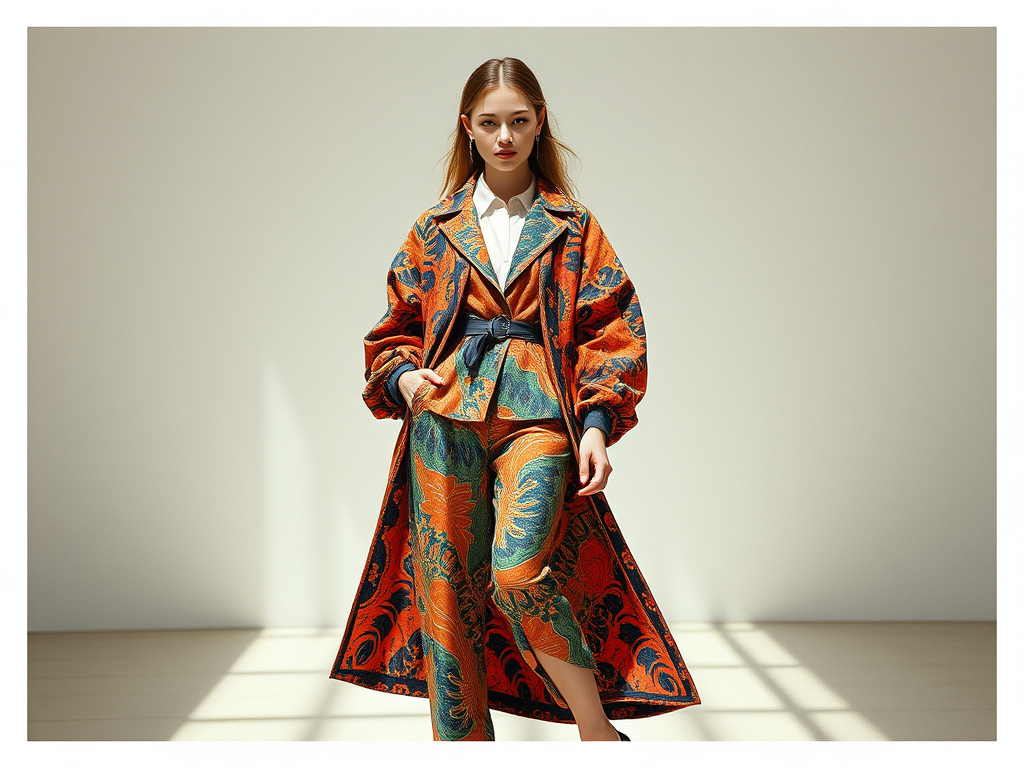
The Psychology of Fashion explores how clothing choices connect to human behavior, identity, and emotions. It looks at why people follow trends, how fashion affects self-image, and the ways retail settings influence buying decisions. Understanding these psychological factors helps explain why fashion is not just about style, but also about self-expression and social connection.

Fashion can shape how people think and feel about themselves, and it plays a key role in developing personal identity. Different styles can reflect personality traits or social groups, making clothing a form of communication. This field also considers how fashion impacts body image and promotes healthier, more sustainable choices.
By applying psychological ideas to fashion, the industry can better address challenges like consumer habits and ethics. This knowledge guides efforts to make fashion more responsible while still appealing to the way people experience and connect with clothing.
Understanding the Psychological Impact of Fashion

Fashion affects how people think and feel about themselves. It shapes their sense of who they are and how they want to be seen by others. Clothing choices reflect personal meanings and influence mood and confidence.
Fashion as a Means of Self-Expression
Fashion allows individuals to communicate without words. People use clothes, colors, and styles to show their personality, mood, or values. For example, wearing bright colors can signal energy or creativity, while classic styles may express professionalism or tradition.
This form of self-expression helps people stand out or fit in, depending on their goals. It also provides control over how others perceive them. Clothing becomes a tool for identity communication in social settings.
The Role of Clothing in Identity Formation
Clothing helps shape a person’s identity by creating a consistent image over time. People select styles that align with their beliefs and lifestyle. This creates a sense of belonging within certain groups or communities.
Clothing choices can also reflect personal growth or changes in self-view. For example, a person might shift to more formal styles after starting a new job. The repeated use of certain outfits builds a visible identity.
Psychological Theories Related to Fashion
Several psychological theories explain why people care about fashion. Social identity theory suggests people dress to connect with groups that share their values. The theory of self-presentation states that people choose clothes to control how others see them.
Mood and cognitive theories highlight how clothing affects emotions. Wearing preferred styles can boost confidence and reduce anxiety. Fashion also serves as a coping mechanism in stressful situations by providing comfort or familiarity.
| Theory | Explanation | Impact on Fashion |
|---|---|---|
| Social Identity | Clothing signals group membership | Encourages conformity to group style |
| Self-Presentation | Clothes shape others’ impressions | Influences first impressions |
| Mood & Cognition | Clothing affects feelings and thoughts | Enhances mood and self-esteem |
Consumer Behavior and Fashion Choices

Fashion choices often reflect more than just style. They reveal emotional needs, social influences, and connections to specific brands. These factors guide how and why individuals select certain clothing or accessories.
Emotional Drivers Behind Fashion Purchases
Emotions play a strong role in fashion buying decisions. People often choose clothes that boost their self-esteem or express their mood. For example, buying bright colors may lift spirits, while classic styles can create a sense of stability.
Feelings of insecurity or desire for acceptance can lead to impulsive purchases. Shoppers may seek comfort or confidence through fashion during stressful times. Emotional attachment to clothing can also influence repeat buying of similar styles.
Brands that connect to consumers’ feelings tend to create loyalty. Emotional triggers like nostalgia or aspiration push buyers to make choices beyond mere practicality.
Influence of Social Comparison
People frequently use fashion to compare themselves with others. Clothing becomes a tool to signal status, group belonging, or personal identity. Social media and peer groups amplify this effect.
High-end fashion often serves as a status symbol, showing wealth or exclusivity. Conversely, trendy or fast fashion can signify alignment with current cultural movements or youth identity.
Social comparison can drive pressure to keep up with trends or brands favored by peers. This often leads to purchasing choices meant to gain approval or avoid social exclusion.
Brand Loyalty and Attachment
Brand loyalty in fashion develops through repeated positive experiences and emotional connections. Consumers tend to stick with brands that reflect their identity or values.
Attachment grows when brands offer consistent quality, align with personal beliefs, or evoke strong memories. For example, sustainable brands build loyalty by appealing to environmental concerns.
This loyalty makes customers less sensitive to price changes and less likely to switch brands. Trust and familiarity play key roles in maintaining long-term relationships between consumers and fashion brands.
Social and Cultural Influences on Fashion Psychology
Fashion choices are deeply connected to social acceptance, media influence, and cultural identity. People often adjust what they wear to fit in with social groups or express shared values. These factors shape how individuals see themselves and how others perceive them.
Fashion Trends and Social Acceptance
Fashion trends often spread because people want to feel included in a group. Wearing popular styles signals belonging and can boost confidence. This need for social acceptance leads many to follow current trends, even if those styles do not reflect their personal tastes.
Groups use fashion to create social boundaries, showing who belongs and who doesn’t. This can reinforce shared values and norms within a community. At times, chasing trends may cause pressure to spend beyond means or lose authenticity in personal style. However, trends also offer a way for individuals to experiment and connect with others.
Effects of Media and Celebrity Culture
Media and celebrities play a major role in shaping fashion psychology. Television, social media, and magazines highlight certain looks, encouraging people to adopt similar styles. Celebrities often set trends by showcasing new clothing or accessories.
The influence of media can raise self-awareness about image and body, affecting mood and confidence. However, constant exposure to idealized images can create unrealistic expectations and pressure. This can lead to stress, especially for young people who compare themselves to public figures.
Cultural Identity in Fashion
Clothing is a strong symbol of cultural identity. Different societies use fashion to express heritage, beliefs, and traditions. Wearing culturally significant garments helps individuals connect to their roots and show pride.
Fashion can also reflect cultural changes and mixing. Globalization has led to blending styles from various backgrounds, creating new fashions that honor multiple cultures. Still, for many, fashion remains a key way to maintain cultural meaning and resist losing their unique identity.
Fashion, Self-Image, and Confidence
Fashion influences how people see themselves and affects their mood and confidence. It shapes self-esteem through clothing choices, how they perceive their bodies, and even impacts mental health in meaningful ways.
Clothing and Self-Esteem
Clothing plays a key role in building self-esteem. When someone wears clothes that fit well and match their style, it boosts their confidence. Choosing outfits that highlight their positive features helps them feel more comfortable and assertive.
Clothing also signals identity and belonging. It can create a sense of connection with groups or cultures, improving one’s self-worth. People who pay attention to their appearance often experience increased mindfulness and care for themselves.
Careful outfit choices lead to positive daily interactions. Feeling good about one’s clothes can encourage social engagement and reduce anxiety.
Body Image Perceptions
Fashion affects how people see their bodies. Wearing clothes that fit body shape and size well can improve body image and reduce negative feelings. When someone feels their clothes flatter their shape, it enhances their overall self-perception.
Accessories and makeup can add to this effect by drawing attention to features they want to highlight. This helps create a balanced self-view and reduces focus on perceived flaws.
However, fashion can also harm body image if it promotes unrealistic standards. People may feel pressured to conform to certain looks, which can lower self-esteem. Understanding this helps individuals make better, healthier choices in their fashion habits.
Impact of Fashion on Mental Health
Clothing influences mental health by affecting mood and emotions. Wearing favorite colors or familiar styles can uplift spirits and reduce stress. This is linked to a concept called enclothed cognition, where clothes change how a person thinks and feels.
Fashion encourages self-expression, which supports emotional well-being. It allows people to communicate who they are without words. Feeling authentic in clothing choices promotes a sense of control and purpose.
However, negative experiences with fashion, such as body dissatisfaction or social judgment, can harm mental health. Awareness of these effects helps people use fashion intentionally to support psychological well-being.
| Key Effects of Fashion on Mental Health |
|---|
| Improves mood through color and style |
| Enhances self-expression and identity |
| Increases feelings of control and purpose |
| Risks include stress from body image issues |
The Dark Side of Fashion Psychology
Fashion can affect mental health and influence behaviors in ways that are not always positive. People may feel stress from trying to meet style standards, and some industry practices can negatively impact well-being and society.
Fashion-Related Anxiety and Pressure
Many individuals experience anxiety due to the pressure to look a certain way. This pressure often comes from societal beauty standards and media portrayals of ideal fashion. It can lead to low self-esteem, body image issues, and even depression, especially among young people.
The need to constantly update wardrobes to stay “in style” adds to this stress. People may feel judged based on their clothing, which increases worries about appearance and social acceptance. This pressure is not limited to teenagers but affects adults, too.
Fast Fashion and Its Psychological Consequences
Fast fashion promotes rapid consumption of trendy, cheap clothing. This cycle encourages impulsive buying and creates a temporary sense of satisfaction. However, this satisfaction often fades quickly, leading to repeated shopping and emotional ups and downs.
Fast fashion also contributes to feelings of guilt or shame when consumers learn about unethical labor practices and environmental damage linked to the industry. These negative emotions can affect people’s well-being and their relationship to clothing and identity.
Fashion Psychology in Professional and Social Settings
Clothing choices affect how people see and treat others in both work and social life. The right outfit can boost confidence and influence impressions. Understanding these effects helps guide decisions in different environments.
Power Dressing and Workplace Perceptions
Power dressing uses clothing to show authority and competence at work. Wearing sharp, well-fitted outfits with classic colors like black, navy, or gray helps create a professional image. Such choices can lead to better job evaluations and more trust from colleagues.
Clothes also affect personal feelings. People who dress for success often feel more confident and perform better in meetings or presentations. Employers may view them as more capable or ready for promotion.
Strategic dressing is not just about fashion but about managing perceptions. Simple details like grooming and accessories also play a role in signaling professionalism.
Fashion in Social Interactions
In social settings, clothing sends messages about personality, mood, and intentions. People tend to choose outfits that reflect their identity or fit social norms. This impacts how others respond to them.
Casual or formal dressing can change group dynamics. For example, dressing formally at a party might convey respect, while casual wear shows approachability. Colors and styles also influence attraction and group acceptance.
People often use fashion to express uniqueness or belonging. It helps build connections or create distance depending on the context. These choices affect trust, likability, and social status within groups.
The Future of Fashion Psychology
The fashion industry is changing through new ideas about sustainability and advances in technology. These changes affect how people think about clothing and their choices. Understanding these trends helps predict how fashion psychology will evolve.
Sustainable and Ethical Fashion Choices
Fashion psychology plays a key role in encouraging consumers to choose sustainable and ethical products. People are becoming more aware of environmental and social issues linked to fashion. This awareness influences buying habits, with more customers seeking brands that focus on fair labor and eco-friendly materials.
Psychologists study how values like responsibility and identity shape these choices. They also explore ways to reduce “fast fashion” consumption by promoting long-lasting products and mindful shopping behaviors. Brands that communicate transparency and purpose tend to build stronger loyalty among conscious consumers.
In summary, fashion psychology supports the shift from quick trends to thoughtful purchases. This creates healthier connections between consumers, their clothes, and the planet.
Technological Innovations Impacting Fashion Perception
Technology is changing how people experience and perceive fashion. Virtual and augmented reality enable customers to try on clothes digitally, influencing buying decisions without physical interaction. These tools create personalized shopping experiences that adapt to individual tastes and needs.
Social media platforms also shape fashion psychology by spreading trends faster and creating peer influence. Apps analyze consumer behavior data, helping designers predict preferences and make choices that align with user emotions and identities.
The rise of digital fashion and smart textiles challenges traditional concepts of clothing and self-expression. Psychologists study these shifts to understand how technology affects feelings of beauty, confidence, and belonging in the fashion world.
Conclusion
Fashion is more than just clothing; it is a form of self-expression and communication. People use their choices in fashion to show their identity, emotions, and social roles.
The psychology of fashion explains how clothes influence mood, confidence, and self-esteem. Colors, styles, and fit can affect how a person feels and behaves throughout the day.
Clothing connects to memory, attention, and creativity. It plays a role in how individuals perceive themselves and how others see them in social settings.
Fashion also impacts society and culture. It shapes trends, reflects diversity, and can encourage respect between different groups.
Key psychological factors in fashion include:
| Factor | Description |
|---|---|
| Self-perception | How clothing affects one’s view of themselves |
| Emotional impact | How colors and styles influence mood |
| Social interaction | How fashion helps communicate role or status |
| Consumer behavior | How psychology guides purchasing decisions |
Understanding these factors helps the fashion industry create better products and experiences that meet both emotional and practical needs.
Psychology gives insight into how fashion shapes individual well-being and broader social dynamics. It highlights the importance of mindful choices in what people wear every day.