
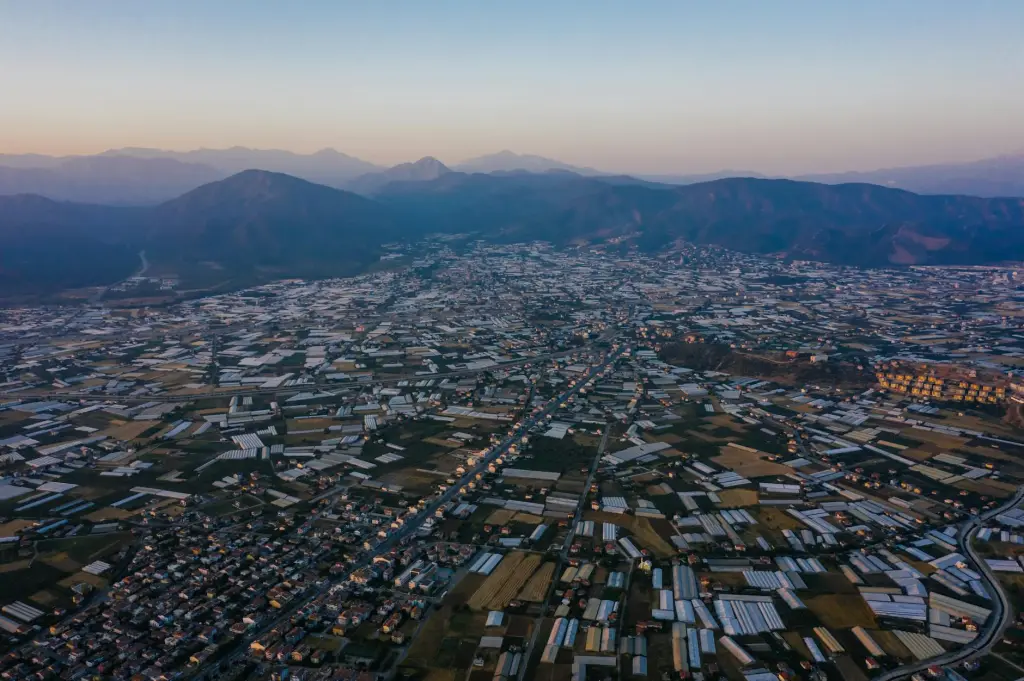
The Indus Valley Civilization was one of the world’s earliest urban cultures, flourishing between about 3300 BCE and 1300 BCE. It was known for its advanced city planning, including well-organized streets and sophisticated drainage systems. This civilization covered parts of what are now Pakistan and northwest India, making it one of the largest ancient civilizations in that region.

The Indus Valley Civilization developed unique technologies, social structures, and artwork, setting it apart from contemporary cultures like ancient Egypt and Mesopotamia. It featured major cities such as Harappa and Mohenjo-daro, which showcased remarkable architectural skills and urban design. The civilization also had a system of writing that remains undeciphered today, adding to its mystery and interest.
People of the Indus Valley lived in well-planned towns with houses made from baked bricks, practiced irrigation, and engaged in trade with neighboring regions. Their culture is often called the Harappan Civilization, named after one of its key sites. Learning about the facts of the Indus Valley Civilization reveals how advanced and influential it was for its time. For more detailed information, see the Indus civilization article from Britannica.
Overview of the Indus Valley Civilization

The Indus Valley Civilization was one of the earliest urban cultures in history. It developed advanced systems for living, farming, and trade over a large area. Its influence stretched across parts of modern South Asia with cities known for remarkable planning.
Definition and Geographic Spread
The Indus Valley Civilization, also called the Harappan Civilization, flourished mainly in the Indus River basin. It covered parts of present-day Pakistan, northwest India, and northeast Afghanistan. Key cities included Harappa and Mohenjo-daro.
The civilization was one of the most widespread of its time, with settlements linked by rivers and trade routes. It grew in fertile river valleys, which supported farming and urban life. The civilization’s reach extended from the Sindh and Punjab regions to areas near the Sarasvati River.
Timeline and Chronology
This civilization started around 3300 BCE and lasted until about 1300 BCE. It passed through distinct phases: Early Harappan (3300–2600 BCE), Mature Harappan (2600–1900 BCE), and Late Harappan (1900–1300 BCE).
The Mature Harappan period marked the peak of urban growth and cultural development. After 1900 BCE, many sites show signs of decline or abandonment. Some theories link this to environmental changes or shifts in trade.
Discovery and Archaeological Significance
The Indus Valley Civilization was discovered in the 1920s with excavations at Harappa and Mohenjo-daro. These finds revealed advanced city layouts, drainage systems, and standardized weights.
Archaeology uncovered many artifacts, including seals, pottery, and tools made of copper and bronze. The civilization’s script remains undeciphered, which limits understanding of its culture.
Excavations continue to provide insight into ancient urban planning and social organization, making this civilization critical in world history. More about the discovery can be found at the Indus River Valley Civilization details.
Major Cities and Urban Planning

The Indus Valley Civilization developed large, well-organized cities with advanced infrastructure. Its urban centers were carefully planned to support large populations, with a focus on sanitation and organized living spaces. The design showed an early mastery of city planning that balanced functionality and efficiency.
Mohenjo-daro
Mohenjo-daro was one of the civilization’s largest cities, located in present-day Pakistan. It covered about 300 hectares and had a population estimated at 40,000 people. The city was divided into a citadel and a lower town, with administrative and religious buildings located in the citadel.
This city is famous for its sophisticated drainage system and wide streets laid out in a grid pattern. Houses were built with baked bricks and often had private wells and bathrooms. Mohenjo-daro’s layout shows an advanced understanding of urban living and public health.
Harappa
Harappa, another major city, was similar in size and design to Mohenjo-daro. It was first discovered in the 1920s in what is now Punjab, Pakistan. Harappa thrived as a political and economic center of the Indus Valley Civilization.
The city also had strong brick walls and well-laid streets. Like Mohenjo-daro, Harappa’s houses featured indoor plumbing and drainage, pointing to high standards of cleanliness and urban management. It played a key role in early trade networks across the region.
City Layout and Infrastructure
Cities of the Indus Valley Civilization were known for their rectangular grid layouts. Streets ran at right angles, creating uniform blocks. The use of baked bricks for construction added durability.
A major feature was the drainage system, which included covered drains lining the streets and connecting to individual homes. Wells provided clean water, and public baths were built for communal use. These features highlight the civilization’s focus on hygiene and urban order.
| Feature | Description |
|---|---|
| Street Layout | Grid pattern, wide, straight streets |
| Building Material | Standardized baked bricks |
| Water Supply | Private wells and public reservoirs |
| Drainage | Covered drainage systems |
| Public Facilities | Large baths and assembly areas |
Such planning set a foundation for future urban development worldwide.
More details appear in the article on Indus Valley Civilization urban planning.
Society and Daily Life

The Indus Valley Civilization had a well-organized lifestyle with distinct social roles, carefully built homes, and attention to personal appearance. People worked in various trades, lived in planned neighborhoods, and wore simple but functional clothes.
Social Structure
People in the Indus Valley held different jobs that shaped their social roles. Farmers, merchants, artisans, and priests all played key parts. There is no clear evidence of kings or rulers, which suggests power may have been shared or local.
Trade was important, both within cities and with distant places like Mesopotamia. This helped some craftsmen and merchants gain wealth. Family life was central, with households often including extended family members living close together.
Religion and rituals were part of daily life too, but details about social ranks linked to religion remain unclear. Art and crafts also showed some social distinctions through skill and resources.
Housing and Domestic Architecture
Homes in the Indus Valley were built with baked bricks in a uniform size. Cities had streets laid out in grid patterns, with houses arranged neatly along them. Many houses had two or more rooms, with some featuring private wells and bathrooms connected to drainage systems.
Large public buildings suggest community planning and organization. Roofs were flat and made of wood or mud. Some houses had courtyards, which served as open spaces for daily activities.
Most homes stored food and tools in sealed containers, reflecting concerns over cleanliness and storage needs. This careful planning helped prevent diseases and manage water efficiently.
Clothing and Personal Adornment
Clothing in the Indus Valley was mostly made from cotton, which was widely grown there. People wore simple garments like tunics, robes, and loincloths, suited for the hot climate. Wool and animal skins were less common.
Jewelry was important for personal adornment. Both men and women wore necklaces, bracelets, earrings, and rings made from gold, silver, copper, and semi-precious stones. Beads were also popular.
Hairstyles varied, with evidence of combs and hair accessories found in archaeological sites. Tattoos or body decorations might have been used, but evidence is limited. Personal appearance reflected both fashion and social status.
Learn more about society and daily life in the Indus Valley Civilization at the Global Indian Network and the BBC Bitesize history guide.
Economy and Trade

The Indus Valley Civilization had a strong economy based on farming, skilled crafts, and trade. Its wealth came from growing crops, making goods, and exchanging products with distant regions. These activities supported large cities and a complex society.
Agricultural Practices
The economy relied heavily on agriculture. People grew wheat, barley, pulses, and other grains. They also raised animals like cattle and sheep. Farming used irrigation methods to water crops, which helped increase food production.
Agriculture provided the main food supply and raw materials for trade. The farming system allowed the civilization to support a large population in cities like Harappa and Mohenjo-daro. They also used tools made from stone and metal to prepare the land and harvest crops.
Craftsmanship and Industries
Craftsmanship was important for the Indus economy. Skilled workers made beads, pottery, metal tools, and jewelry. These goods showed high-quality design and tech skills. The bead industry, in particular, was well-known for its craftsmanship.
Many products were created for both local use and trade. Stone weights helped traders measure goods fairly. Craftspeople also made items from bronze, shell, and terracotta. Industries supported the urban lifestyle and economic growth.
Trade Routes and External Connections
Trade was key to the Indus economy. They traded goods within the region and with distant places like Mesopotamia. Coastal towns like Lothal acted as trading hubs. They exchanged goods such as beads, metals, and textiles.
The civilization used river routes and sea routes for trade. This network helped spread ideas, technologies, and culture. Trade relied on standardized weights and measures to keep transactions fair and reliable.
For more on how trade shaped their economy, see this detailed article on Indus Valley trade and commerce.
Language and Script
The Indus Valley Civilization used a unique system of symbols that appear on seals, pottery, and other artifacts. This system is known as the Indus script. Although many examples exist, the script remains undeciphered.
Indus Script Characteristics
The Indus script consists of short inscriptions made up of about 400 different signs. These signs include pictures of animals, geometric shapes, and abstract symbols.
Most inscriptions are very brief, often only a few characters long. This makes it hard to understand if the script recorded a full language or was used only for marking ownership or trade.
The script shows no clear connection to later Indian writing systems. No bilingual texts, like a Rosetta Stone, have been found to help decode it.
Decipherment Attempts
Scholars have tried many methods to decode the Indus script. Some compared it to languages of ancient societies nearby, like Sumerian. Others suggested it could be a pre-Indo-Aryan language.
Despite decades of research, no widely accepted decipherment exists. The main problems are the short length of texts and lack of known language links.
A recent claim suggests partial decoding, but it has not gained full acceptance among experts. The script remains one of the major unsolved puzzles in ancient history.
For more details, see Indus script – Wikipedia and The Indus Script Finally Deciphered.
Religion and Cultural Practices
The Indus Valley Civilization had complex religious beliefs supported by various rituals and artistic expressions. Their practices showed respect for life, nature, and possibly life after death. These customs were closely tied to their daily lives and social structure.
Religious Beliefs
The people of the Indus Valley likely believed in multiple gods or deities connected to nature and fertility. Some figures found in their artifacts suggest reverence for a horned deity, which may have influenced later Indian religions. Their spirituality appears to include an early form of proto-Hindu ideas.
They also seemed to believe in life after death, indicated by how they prepared burial sites. The religion focused on harmony with nature and cycles of life. The exact names and stories of their gods remain unknown due to the undeciphered script.
Rituals and Burial Customs
Burial practices were important and carefully done. The Indus people built elaborate grave sites, sometimes with goods like pottery or personal items. This shows they expected some form of life beyond death or honored the dead with rituals.
Ritual baths and water use were also significant, likely linked to purification and ceremonies. These customs helped maintain social order and religious observance. The presence of sacred public baths hints at communal rituals tied to cleanliness and spirituality.
Art and Symbolism
Art was a key part of their religion. They used pottery, figurines, and seals to show their beliefs. Many seals feature animals, symbols, and possible gods, which may have served as religious icons or protective charms.
Symbols like the swastika and animals like bulls played roles in storytelling or worship. Their art reflected daily life and spiritual ideas, often combining practicality with religious meaning. This careful blend shows their culture valued both the physical and spiritual worlds.
These details highlight the strong connections between their faith, social life, and environment. For more on their religion, see the detailed religion of the Indus Valley civilization.
Technology and Achievements
The Indus Valley Civilization showed advanced skills in urban design, crafting strong tools, and precise measurement systems. Their innovations in building and managing water, metalwork, and standard weights helped their cities thrive and trade flourish.
Engineering and Water Management
The cities of the Indus Valley were laid out in a grid pattern, showing careful planning. They built complex drainage systems under streets, using baked bricks to create covered sewers. These sewers helped keep the cities clean by removing wastewater efficiently.
They also developed wells and public baths, which used a constant supply of fresh water. The Great Bath of Mohenjo-Daro is a famous example of their water management. This level of engineering showed their skill in both construction and hygiene.
Metallurgy and Tools
The Indus people were skilled metalworkers. They used copper, bronze, lead, and tin to make tools, weapons, and ornaments. Their tools included knives, arrowheads, and needles, which were sharp and well-made for daily use.
They also crafted small statues and seals with fine details, demonstrating advanced metal casting techniques. Their metalwork supported agriculture, hunting, and trade, showing they understood how to make materials last longer and work better.
Weights and Measures
The Indus Valley Civilization developed a uniform system of weights and measures to support their trade activities. These weights were made from chert and shaped into cubes of various sizes.
Standard weights helped traders and merchants maintain fairness in trade over long distances. Their measurement system showed accuracy to fractions, indicating a deep understanding of math for that time. This system was crucial for their thriving economy.
For more on their achievements, see the details about Indus Valley Civilization inventions and discoveries.
Decline of the Civilization
The decline of the Indus Valley Civilization involved complex changes in environment and society. Multiple factors likely came together over time, leading to the gradual abandonment of many cities and a shift in population.
Theories and Causes
Several theories explain the decline, with no single cause agreed upon. Climate change ranks high, especially changes in rainfall and temperatures that affected agriculture. Shifts in river patterns may have caused floods or droughts, making farming difficult.
Other causes include deforestation and soil degradation, which harmed resources. Some scholars point to the arrival of new groups like the Aryans, which could have disrupted the social order. Trade decline and economic shifts might also have weakened urban centers.
Summary of factors:
- Climate change and changing river systems
- Environmental degradation (deforestation, soil issues)
- Migration or invasion by outside groups
- Economic and trade disruption
These combined stresses likely caused the slow unraveling of the civilization over several centuries.
Archaeological Evidence
Archaeology shows signs of gradual decline rather than sudden destruction. Excavations reveal abandoned cities with less planned construction and fewer artifacts in later layers.
Changes in settlement patterns suggest people moved from large urban centers to smaller villages. Some sites show evidence of flooding or changing river courses near their ruins.
Artifacts like pottery and tools become simpler and less common after about 1900 BCE. There is also a decline in trade goods from distant regions, indicating weaker external connections.
This physical evidence supports multiple decline causes, especially environmental shifts and economic disruption, rather than a single catastrophic event.
For more details, see the Decline of the Indus Valley Civilization and related research.
Legacy and Influence
The Indus Valley Civilization left a lasting mark on South Asia’s history and culture. Its achievements in urban design, technology, and social organization influenced later societies. Ongoing archaeological discoveries continue to reveal new details about its way of life and contributions.
Impact on South Asian History
The Indus Valley Civilization shaped many aspects of later South Asian culture. Its well-planned cities introduced advanced urban designs with grid patterns and drainage systems, which influenced city planning in the region.
Trade networks established by the civilization connected South Asia with Mesopotamia, spreading ideas and goods. Some scholars believe that cultural practices, crafts, and technologies from the Indus people influenced early Indian societies, including the Vedic culture.
Its script, although still undeciphered, demonstrates early forms of communication and record-keeping. The civilization’s size, organization, and innovations underscored the region’s role as a hub of early human development.
Modern Research and Discoveries
Archaeologists continue to uncover artifacts and city ruins, offering more insights into the Indus Valley Civilization. Recent excavations have revealed objects related to trade, daily life, and religious practices.
Modern tools like satellite imagery help detect ancient city layouts hidden under soil. These findings broaden knowledge about the civilization’s extent and complexities beyond earlier assumptions.
Researchers study the civilization’s undeciphered script, hoping to understand its language and governance. New discoveries also examine how environmental changes might have contributed to its decline, adding context to its history.
Many studies focus on the Indus Valley’s role as one of the world’s earliest urban centers and its influence on subsequent societies in South Asia. For more information about these discoveries, see Indus Valley Civilization history and legacy.
Interesting Facts About the Indus Valley Civilization
The Indus Valley Civilization is one of the world’s oldest urban cultures. It began around 3300 BCE and lasted until about 1700 BCE. It covered parts of modern-day Pakistan, northwest India, and Afghanistan.
This civilization had advanced city planning. Cities like Harappa and Mohenjo-daro featured straight streets and well-built drainage systems. Homes often had private bathrooms and wells.
They developed a writing system, but it remains undeciphered. This script was used on seals and pottery. The exact meaning of the symbols is still a mystery to researchers.
The Indus people were skilled in craftsmanship. They worked with metals like bronze and copper. They also made jewelry from precious stones.
Trade was important to their economy. They traded goods like beads, metals, and textiles with nearby regions, including Mesopotamia.
Here is a quick list of key points:
| Fact | Detail |
|---|---|
| Time period | Around 3300 BCE to 1700 BCE |
| Major cities | Harappa, Mohenjo-daro |
| Known for | Urban planning, drainage, script |
| Writing system | Undeciphered script on seals and pottery |
| Craft skills | Metalwork, jewelry, bead making |
| Trade | Exchanged goods with Mesopotamia and others |
The population of the Indus Valley Civilization was large, possibly bigger than ancient Egypt or Mesopotamia at its time. It was a major center for culture and technology in the Bronze Age 25 facts about the Indus Valley Civilization.